Explore the Universe of Fair Trade Tea: Exceptional Brews That Advance Sustainable Practices
Fair Trade tea constitutes a smooth combination of superior standards and principles. Each cup presents a unique flavor experience while advancing environmentally responsible agricultural methods. This strategy not only enriches the tea experience but also empowers marginalized farmers. Investigating its origins and authentication procedures demonstrates profound significance of importance. As patrons become more mindful of their choices, the effect of Fair Trade tea transcends taste. What resides beneath the veneer of these preferences?
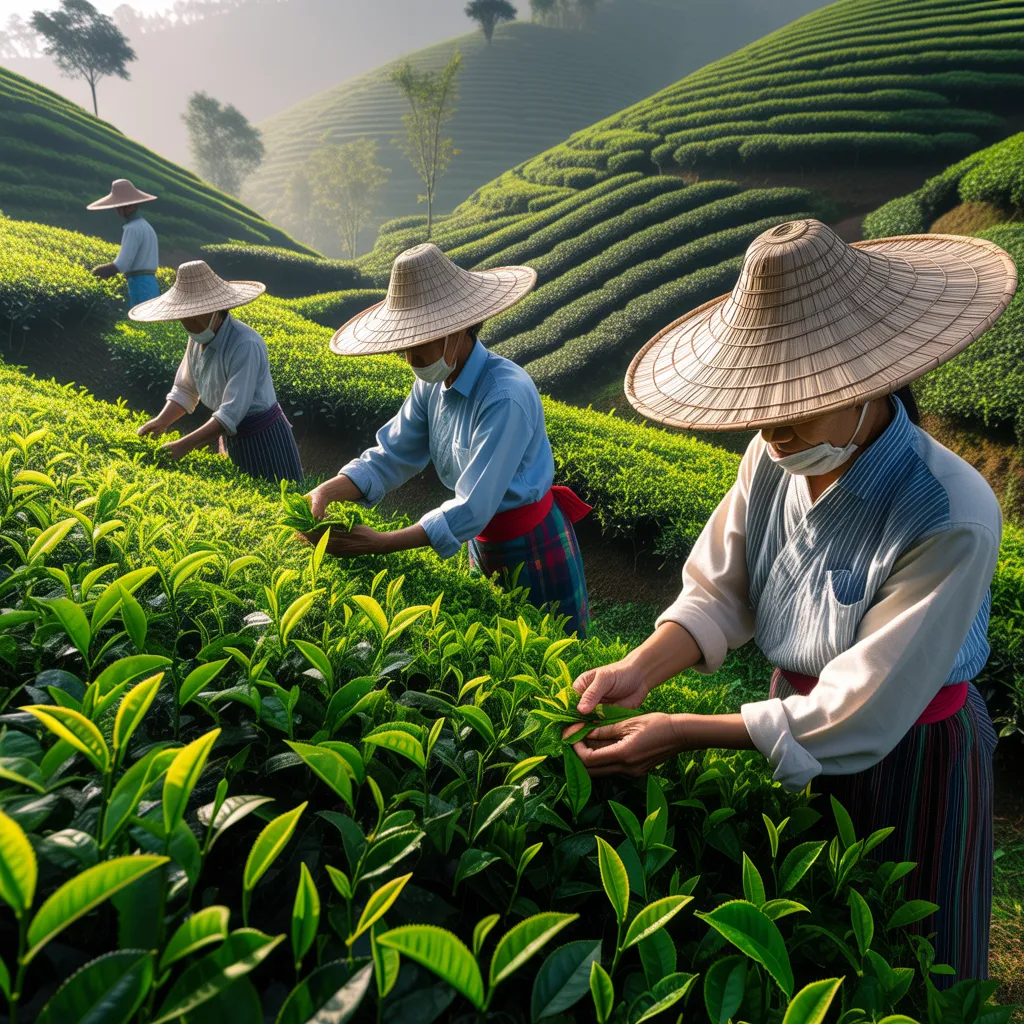
Discover the Origins of Fair Trade Tea
Fair Trade tea is grounded in the socioeconomic movements intended to improve the livelihoods of excluded farmers. Emerging in the waning years of the 1900s, this initiative endeavored to correct inequities in global trade, particularly in developing countries where tea is often harvested. The endeavor gained traction as consumers became progressively mindful of the difficult realities confronted by small-scale farmers, including unjust pricing and exploitation by large corporations.
Through collaborative frameworks, Fair Trade intended to strengthen these farmers, ensuring they obtained fair payment and backing for eco-friendly agricultural methods. The movement also concentrated on promoting ecological stewardship, encouraging organic farming and biodiversity. As awareness grew, Fair Trade tea functioned as a symbol of responsible purchasing, linking consumers directly with the origins of their beverages. By selecting Fair Trade tea, individuals add to a larger goal of social justice and economic equity, fostering a more sustainable future for tea-growing communities.
Explore fair commerce standards for long-term environmental practices
Recognizing Fair Trade certification is necessary to understanding how sustainable practices are upheld within the tea industry. This certification confirms that producers receive fair wages and work under safe conditions, which directly nurtures community development. Fair Trade standards champion environmentally sustainable farming methods, reducing the use of harmful chemicals and encouraging biodiversity.
Certification fosters clarity in the distribution network, allowing details consumers to track their tea back to its origin. By adhering to these standards, farms engage in practices that safeguard natural resources and support local environments. Additionally, Fair Trade groups often deliver learning materials and training to agricultural producers, equipping them to improve their production methods and economic stability.
In the end, Fair Trade certification enhances the caliber of tea while also aligning buyer preferences with ethical and green principles, rendering it a essential component of the tea sector's pledge to social accountability and ecological stewardship.
Discover Leading Range of Fair Trade Tea
While many tea enthusiasts enjoy the rich flavors and aromas of various brews, investigating the top varieties of Fair Trade tea demonstrates a greater commitment to responsible practices and environmental care. Some popular options feature Fair Trade Assam, known for its strong, grain-forward flavor, and Fair Trade Darjeeling, often referred to as the "Champagne of teas" for its delicate floral notes. Another notable variety is Fair Trade Earl Grey, blended with bergamot, offering a distinctive citrusy flavor.
Additionally, Fair Trade Green Tea, celebrated for its invigorating qualities and health benefits, is increasingly favored among health-conscious consumers. Herbal blends, such as Fair Trade Chamomile and Peppermint, also shine, delivering soothing and calming effects. Each of these varieties not only offers exceptional flavor but also benefits farmers and communities working for better livelihoods, making them a responsible choice for tea lovers seeking quality and ethical assurance.
Brewing Fair Trade Tea: Directions for a Wonderful Cup
To prepare the perfect cup of Fair Trade tea, care is vital, since the correct techniques can improve the tea's unique tastes and aromas. Initially, water quality is paramount; using clean water provides a pure flavor that lets the tea's traits be highlighted. The water temperature is also essential; distinct teas need certain temperatures; black tea needs boiling water and green or herbal teas are brewed cooler.
Following this, the soaking duration needs to be accurately tracked. Oversteeping can generate bitter notes, while understeeping may not capture the full flavor profile. A common benchmark is 3-5 minutes for black tea and 2-3 minutes for green tea.
Ultimately, using the appropriate tea-to-water ratio boosts the taste; one teaspoon of loose tea per cup is a good beginning. By implementing these tips, tea enthusiasts can completely savor the extensive variety of Fair Trade tea.
Environmental Benefits of Ethically Sourced Tea
Brewing Fair Trade tea not only elevates the tea experience but also backs sustainable agricultural practices that advantage the environment. Fair Trade accreditation motivates farmers to use organic farming methods, which reduce the dependence on harmful pesticides and fertilizers. This method promotes biodiversity, aiding in the protection of local habitats and protect wildlife habitats.
Furthermore, Fair Trade approaches often highlight soil health and water conservation, ensuring that tea cultivation does not deplete essential resources. By assisting small-scale farmers, Fair Trade also encourages agroforestry, which combines tea cultivation with other crops and trees, further boosting environmental resilience.
Moreover, Fair Trade tea frequently involves environmentally friendly packaging and delivery systems, reducing the greenhouse gas emissions linked to its distribution. Overall, choosing Fair Trade tea represents a deliberate commitment to foster a increasingly eco-friendly farming approach that respects both the planet and its people.

The Impact of Your Tea Selection in Strengthening Global Communities
Opting for Fair Trade tea assists international communities by guaranteeing cultivators receive just compensation and better labor environments. This promise ensures that tea cultivators can preserve their sources of income while contributing to their households and local economies. By choosing Fair Trade tea, consumers help fund important local services, including learning and healthcare.
Fair Trade certification promotes ethical practices, requiring businesses to follow guidelines that prioritize workers' rights and environmental sustainability. As a result, growers are motivated to cultivate high-quality tea, which not just improves their earnings but also creates pride in their craft.
Moreover, the direct trade relationships set up through Fair Trade abolish oppressive middlemen, giving farmers to link with patrons worldwide. This visibility develops trust and encourages a global esteem for the cultural meaning of tea. Ultimately, each cup of Fair Trade tea represents a reminder of the meaningful change individuals can have on global communities through thoughtful buying.
Commonly Asked Questions
Where Can I Discover Fair Trade Tea Items and How Do I Verify Them in Retail Locations?
To spot responsibly sourced tea brands in stores, one should check for certification labels, such as Fair Trade Certified or Rainforest Alliance. Additionally, studying brands focused on ethical sourcing can support making informed choices.
What Medical Advantages Are Linked to Fair Trade Tea?
Fair trade tea may supply various wellness benefits, featuring heart-supporting antioxidants, optimized digestion, and enhanced cognitive focus. Also, environmentally conscious sourcing methods enable sustainable farming, ultimately promoting a healthier ecosystem and improved societal well-being.
Is it Easy to Source Fair Trade Tea Through Digital Shopping Platforms?
Yes, ethically sourced tea is widely available in internet retailers. Numerous retailers provide a wide selection of different varieties, guaranteeing consumers can easily access sustainable products that support both sustainability and fair labor practices.
In What Ways Does Fair Trade Tea Impact Local Economies?
Fair trade tea beneficially affects local economies by providing farmers with fair wages, supporting community growth, and encouraging sustainable farming practices. This assistance improves living standards, promotes economic stability, and empowers communities to invest in education and healthcare.
How Can I Maintain Fair Trade Tea to Ensure Optimal Freshness?
To increase freshness, fair trade tea should be stored in an sealed jar, shielded from light, moisture, and strong odors. Keeping it in a cool, dark place helps preserve its flavor and aroma over time.